
Kromme Enviro Trust Newsletter – Focus on birds
Dear Member,
As summer settles in, our local wildlife rescue volunteers are experiencing their busiest fledgling season yet. We’re getting around two calls a day about “abandoned” baby birds, our partner rehabilitator is also inundated. Many of these little birds are being brought in unnecessarily, often after they’ve already been moved, fed, or kept at home for several days.
It’s clear that the community cares deeply however, right now, we need everyone to understand what fledgling season really looks like, and how to help without harming
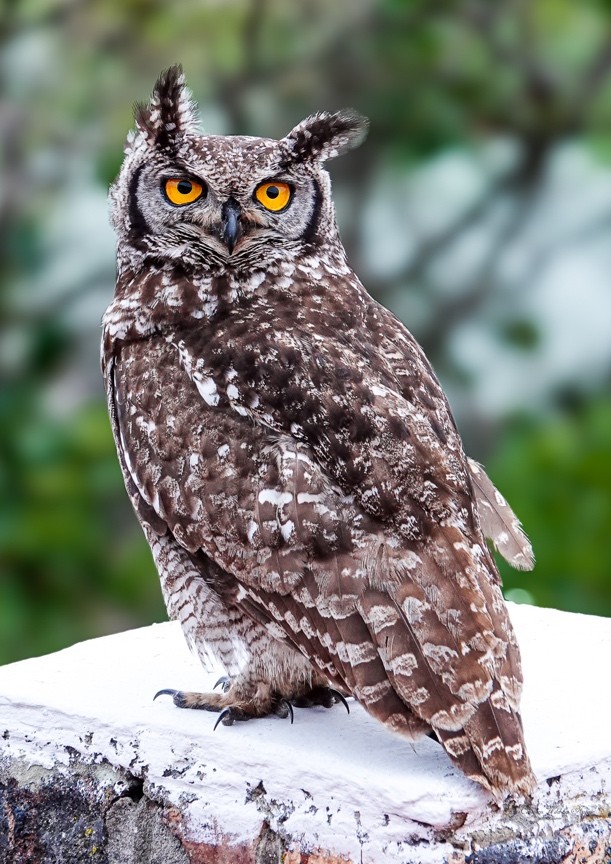
Most fledglings on the ground are NOT abandoned
From spring onwards, many young birds leave the nest before they can fly confidently. They spend about 72 hours on the ground, hopping around, calling, flapping, and learning how to take off.
During this time:
- Their parents are watching closely, feeding and guiding them.
- They may sit in odd places like driveways, lawns, pavements, roadside verges.
- They may look helpless but they’re not.
- They are in the learning-to-fly stage, and this is completely natural.
Picking them up, taking them home, or “rescuing” them often does more harm than good.
Please don’t pick up fledglings and take them home
Handling young birds, feeding them incorrectly, or removing them from their parents can severely reduce their chances of survival.
Here’s what to do instead:
If the fledgling is in direct danger – (near a road, dogs, cats, people traffic)
Gently move it 5–10 metres from where you found it, no further.
If it’s on your property – Move it to a safe spot and keep pets indoors or on the opposite side of the house for 72 hours.
If it’s in a public space – Move it out of harm’s way and walk on.
The parents are nearby and will continue caring for it.
If you’ve already moved or handled the fledgling – Please note:
- If you call us within the first hour, we will usually ask you to put it back where it was found.
- If you’ve already waited up to the full 12-hour window since finding the fledgling, and after placing it back the parents still haven’t returned to feed it — even after watching from a distance for 40–60 minutes — then you will need to continue caring for it. The 12-hour window is important, as parents often circle and monitor the area for many hours, sometimes the full 12.
What NOT to do
- Don’t take fledglings home.
- Don’t feed them.
- Don’t keep them in a box “until they’re ready.”
- Don’t wait four days and then hand them over when it gets overwhelming.
Leaving a fledgling where it is gives it an 80% better chance of survival.
Swallow Nest Destruction: What to Do
We are seeing an increase in swallow nests being removed by builders or painters.
If a mud nest is destroyed, please:
- Make a simple replacement nest from cardboard lined with paper towel, shaped like the original nest.
- Attach it in the same location, or as close as possible.
- Place the chicks inside and leave a small entrance hole.
The parents will return often within minutes.
We have done this several times with great success.
A reminder about owl poisonings
Our owls are still suffering from secondary poisoning due to rat poison used at restaurants, homes and businesses.
A member of the Trust has been speaking to local establishments, reminding them that poison has devastating knock-on effects.
If you use pest control, please choose wildlife-safe alternatives, and avoid anticoagulant poisons entirely.
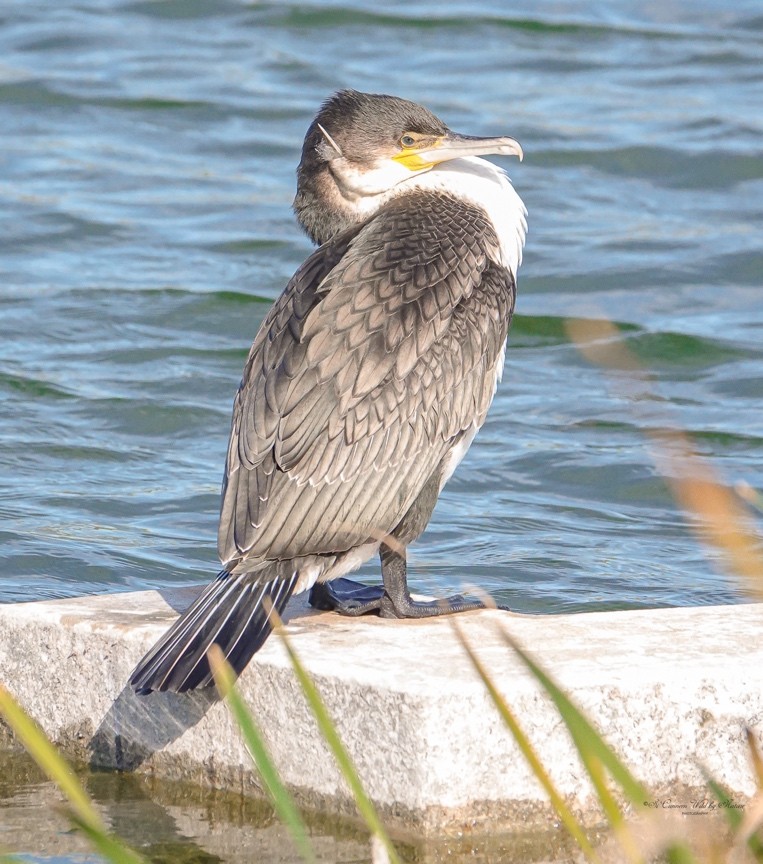
Cormorants: Another Species at Risk Right Now
It’s also Cormorant season, and many are found weak or wandering on beaches, roads, or in town.
Cormorants need urgent, specialised care:
- Please contact our wildlife team or a SANCCOB First Responder immediately.
- Depending on condition, the bird must be transferred to SANCCOB in Gqeberha as quickly as possible.
We can arrange the courier and assessment.
If you find a fledgling, owl, cormorant or injured bird:
Please contact the Kromme Enviro Trust Wildlife Rescue Team or a SANCCOB First Responder before picking the bird up.
SANCCOB 041 583 1830 or out of hours 064 019 8936
Kromme Enviro Trust 0818018651
We will guide you based on the species and situation.
Together, with small steps and informed choices, our community can make a huge difference in helping young birds survive this season safely.